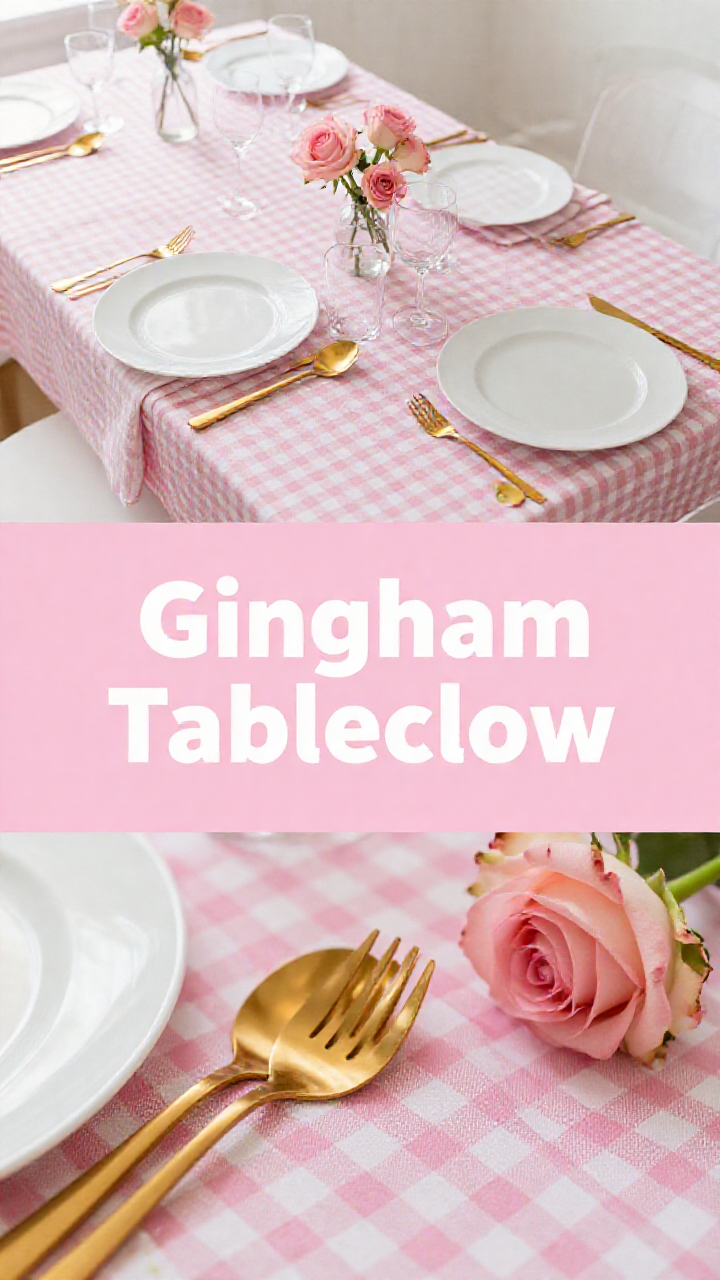

Gingham Tablecloth: A Splash of Color for Your Table!
Hey fire starters! Kai here, ready to inject some serious personality into your dining space. Forget those boring, beige tablecloths that scream ‘corporate lunch meeting.’ We’re talking gingham – that classic, cheerful pattern that instantly elevates any meal, from a casual backyard BBQ to a sophisticated Mother’s Day brunch. And guess what? You can totally make your own! Let’s ditch the mass-produced and craft something unique, something you. This isn’t just about covering a table; it’s about setting the stage for unforgettable moments, laughter, and damn good food.
Why You’ll Love This DIY Gingham Tablecloth
Seriously, why settle for ordinary when you can have extraordinary? Here’s why you’ll be obsessed with your handmade gingham tablecloth:
- Unleash Your Inner Designer: Choose your favorite colors and create a tablecloth that perfectly complements your personal style.
- Budget-Friendly Brilliance: Making your own is way cheaper than buying a fancy, overpriced tablecloth. More money for BBQ, right?
- Custom Fit, Guaranteed: No more awkwardly sized tablecloths that are either too short or drag on the floor. This is tailored to your table.
- A Conversation Starter: “Oh, this old thing? I made it myself.” Prepare for the compliments to roll in.
- It’s Therapeutic: Seriously, the process of creating something with your own hands is incredibly rewarding.
Ingredients: Gathering Your Arsenal
Time to raid your local fabric store (or your grandma’s attic!). Here’s what you’ll need:
- Gingham fabric (size appropriate for your table): Measure twice, cut once! Choose a high quality gingham fabric.
- Matching thread: A classic white thread always works, but feel free to get creative with contrasting colors for a pop of personality.
- Scissors or rotary cutter: Precision is key, my friends. A rotary cutter makes quick work of large pieces of fabric.
- Measuring tape or ruler: Don’t eyeball it! Accurate measurements are crucial for a perfect fit.
- Sewing machine: Your trusty steed for stitching everything together.
- Iron: A wrinkle-free tablecloth is a happy tablecloth.
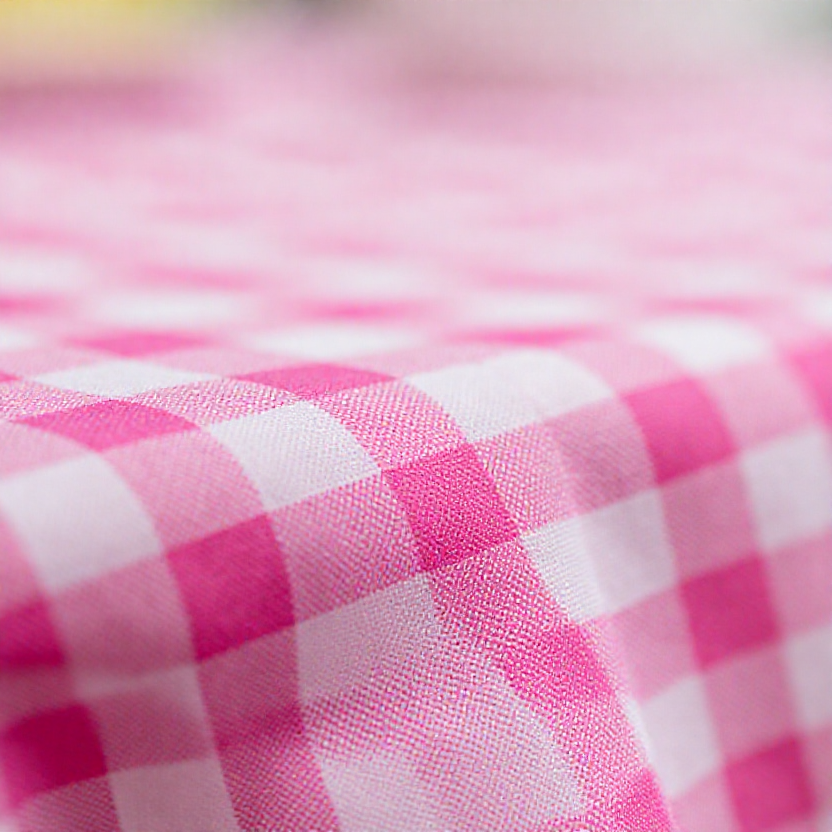
Step-by-Step: Crafting Your Gingham Masterpiece
Alright, let’s get down to business. Follow these steps, and you’ll be rocking a killer gingham tablecloth in no time.
- Measure Up: Measure your table’s length and width. Add the desired overhang to each side (e.g., 8-12 inches on each side). This ensures the tablecloth drapes beautifully.
- Cut with Confidence: Cut the gingham fabric according to your calculated dimensions. Ensure the pattern is straight! Nobody wants a wonky tablecloth.
- Hem It Like You Mean It: Fold the edge of the fabric over by 1/2 inch and iron it flat. Then, fold it over again by another 1/2 inch to create a double-folded hem. Iron again. This creates a clean, durable edge.
- Stitch It Together: Sew the hem in place around all four sides of the tablecloth, using a straight stitch on your sewing machine. Take your time and maintain a consistent seam allowance.
- Trim the Excess: Trim any loose threads. A clean finish is a sign of a true craftsman (or craftswoman!).
- Iron to Perfection: Iron the finished tablecloth to remove any wrinkles. A crisp, smooth tablecloth elevates the entire dining experience.
Pro Tips for Gingham Glory
Want to take your gingham game to the next level? Here are a few insider secrets:
- Pattern Play: Experiment with different gingham sizes and color combinations. A larger gingham pattern creates a bolder statement, while a smaller pattern is more subtle.
- Pre-Wash Your Fabric: This helps prevent shrinkage after the first wash. Trust me, you don’t want to end up with a tablecloth that’s too small.
- Use a Walking Foot: If you’re working with thicker fabrics, a walking foot on your sewing machine will help feed the fabric evenly and prevent puckering.
- Consider a Table Runner: Add a table runner on top of your gingham tablecloth for an extra layer of texture and visual interest. Table runners are the perfect touch of elegance.
- Accessorize with Flair: Pair your gingham tablecloth with colorful napkins, placemats, and centerpieces to create a cohesive and inviting tablescape.
Mistakes to Avoid: Learning from the Flames
Even the best fire cooks burn their burgers sometimes. Here are some common mistakes to watch out for:
- Skipping the Measurements: This is a recipe for disaster. Accurate measurements are essential for a well-fitting tablecloth.
- Using Dull Scissors: Dull scissors will make your fabric fray and create uneven edges. Invest in a good pair of fabric scissors or a rotary cutter.
- Rushing the Hemming Process: Take your time and fold the hem carefully to create a clean, professional finish.
- Ignoring Fabric Grain: Make sure the gingham pattern is straight before you start cutting. Otherwise, your tablecloth will look crooked.
Variations: Spice Things Up!
Feeling adventurous? Here are some ways to put your own spin on this classic design:
- Add a Border: Sew a contrasting fabric border around the edge of the tablecloth for a pop of color and texture.
- Embroidered Details: Embellish your tablecloth with embroidered flowers, monograms, or other decorative elements.
- Appliqué Accents: Add appliqués to your tablecloth to create a unique and personalized design.
- Reversible Tablecloth: Create a reversible tablecloth with a different fabric on each side for two different looks in one.
- Gingham Table Runner: If a full tablecloth feels like too much, make a gingham table runner to add a touch of color to your dining table.
Storage: Keeping Your Gingham Fresh
Proper storage will keep your gingham tablecloth looking its best for years to come:
- Wash and Dry: Always wash and dry your tablecloth before storing it.
- Fold Neatly: Fold the tablecloth neatly to prevent wrinkles.
- Store in a Cool, Dry Place: Avoid storing your tablecloth in a damp or humid environment, as this can cause mildew.
- Use a Garment Bag: Store your tablecloth in a garment bag to protect it from dust and moths.
FAQ: Your Burning Questions Answered
- What size gingham fabric do I need? Measure your table’s length and width and add the desired overhang to each side.
- What kind of fabric should I use? Cotton, linen, or a cotton-linen blend are all great choices for a gingham tablecloth.
- How do I wash my gingham tablecloth? Machine wash in cold water on a gentle cycle. Tumble dry on low or hang to dry.
- Can I iron my gingham tablecloth? Yes, iron on a medium setting to remove wrinkles.
- Where can I buy gingham fabric? Most fabric stores carry gingham fabric in a variety of colors and sizes.
Serving Suggestions: Setting the Scene
Your gingham tablecloth is ready to shine! Here are some ideas for creating a beautiful tablescape:
- Mother’s Day Brunch Decorating Ideas: Pair your gingham tablecloth with pastel-colored dishes, floral centerpieces, and delicate glassware for a charming Mother’s Day brunch.
- Brunch Ideas Decoration Table Outdoor: Set up your gingham tablecloth on an outdoor table for a relaxed and inviting brunch setting.
- Mothers Day Brunch Theme Ideas: A colorful gingham tablecloth is perfect for a vibrant Mothers Day Brunch Theme Ideas.
- Table Set Up Birthday: Use your gingham tablecloth as a base for a fun and festive birthday table setup. Add balloons, streamers, and colorful tableware.
- Table Flower Decorations: Enhance your table with some beautiful Table Flower Decorations.
- Birthday Table Decorations Simple: Keep it simple and elegant with a minimalist Birthday Table Decorations Simple.
- Backyard Pink Party: A pink gingham tablecloth is perfect for a Backyard Pink Party.
- Pink Themed Dinner Party: Create a romantic and elegant Pink Themed Dinner Party with a complementing gingham tablecloth.
- The Perfect Bar Cart: Don’t forget about the drinks! Set up a stylish bar cart nearby to serve your favorite cocktails and beverages. The perfect bar cart is a must-have.
So there you have it! A complete guide to creating your own stunning gingham tablecloth. Get out there, get creative, and let’s set some tables on FIRE! 🔥

GINGHAM TABLE CLOTH! It comes in several other colors!
Ingredients
Method
- Measure table and add desired overhang to each side.
- Cut fabric according to calculated dimensions, ensuring the pattern is straight.
- Fold edge 1/2 inch, iron flat, fold again 1/2 inch for double hem, iron again.
- Sew hem around all four sides using a straight stitch.
- Trim any loose threads.
- Iron the finished tablecloth to remove wrinkles.
Notes